Guided Tour of Delhi
Exploring Old Delhi:
9:00 in the morning: Meet your guide and driver and set off to discover the city. The old city, built by Emperor Shah Jahan (the founder of the Taj Mahal) in the 17th century, was known at the time as Shahjahanabad. Its name was later changed when the new city was established.
9:30: Visit the great Jama Masjid mosque, built in the 17th century by Emperor Shah Jahan. Adorned with white marble and red sandstone, this mosque is a fine example of Indo-Islamic architecture.
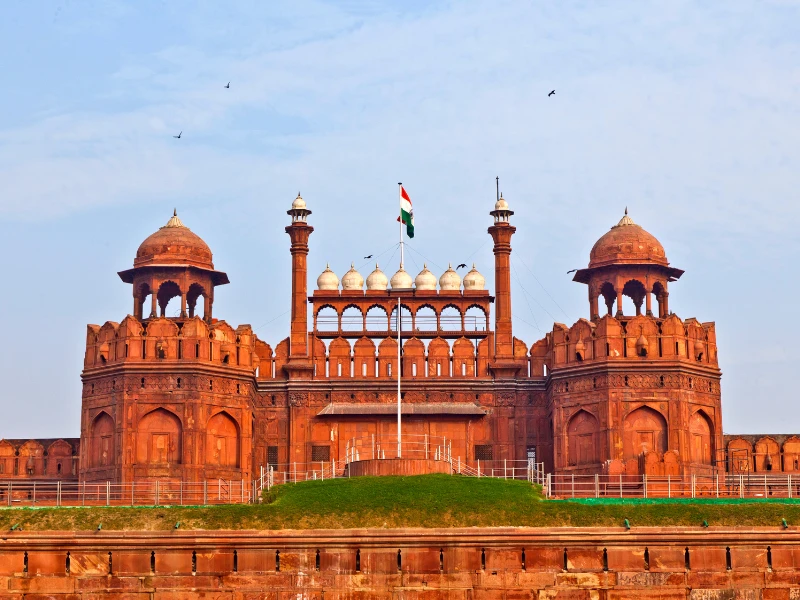
10:00: A cycle-rickshaw ride through the Chandni Chowk market. Travel by cycle-rickshaw or on foot through Delhi's oldest bazaar at Chandni Chowk. You will pass through narrow little streets, see a wide variety of shops and the largest spice market. Along the main street you will glimpse the Sikh temple, the Hindu temple, the church, the mosque, the Jain temple and the facade of the Red Fort.
11:00: Visit Raj Ghat, the cremation site of Mahatma Gandhi.
Exploring the new city: New Delhi was built by the British in the 20th century. King George V was crowned here during his visit to India.
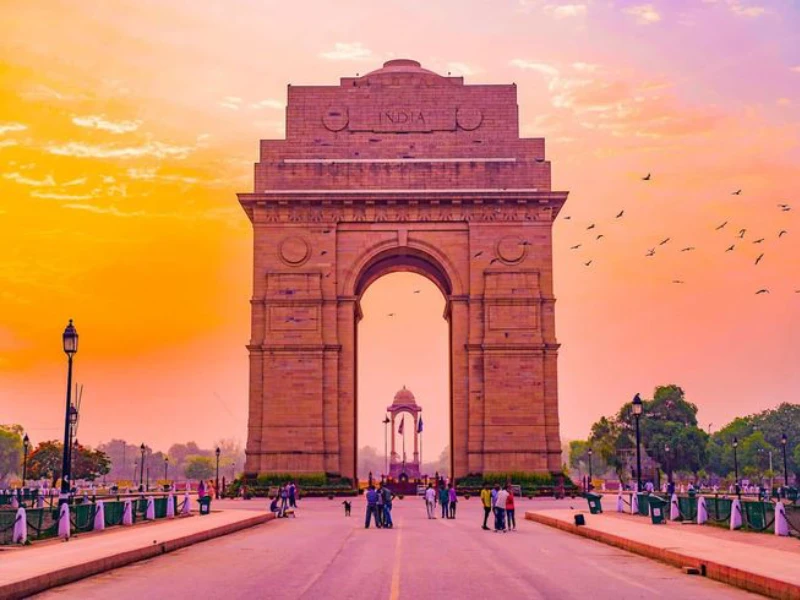
11:30: India Gate and the Presidential Palace: Built in 1928 by the British in memory of the Indian soldiers who died in the First World War. Resembling the Arc de Triomphe in France, it is a memorial to the fallen soldiers. Next, view the exterior of the Presidential Palace and the Parliament.
12:00: Lunch
13:00: Sikh Temple: Visit the largest Sikh temple, Gurudwara Bangla Sahib. Here you will see many pilgrims who come to pray, sing hymns and bathe in the sacred pool. The visit ends with a tour of the kitchen. Every day the Sikhs cook a large meal that they offer free of charge to visitors. About 3,000 people eat here each day.
14:30: Qutub Minar: One of the finest monuments in Delhi, recognised as a UNESCO World Heritage Site. Built at the end of the 12th century by the Turkic dynasty, it stands beside the first mosque in India. The site once held 27 Hindu and Jain temples as well as a large Hindu fort. Demolished by the Turkic invaders, only ruins remain today.
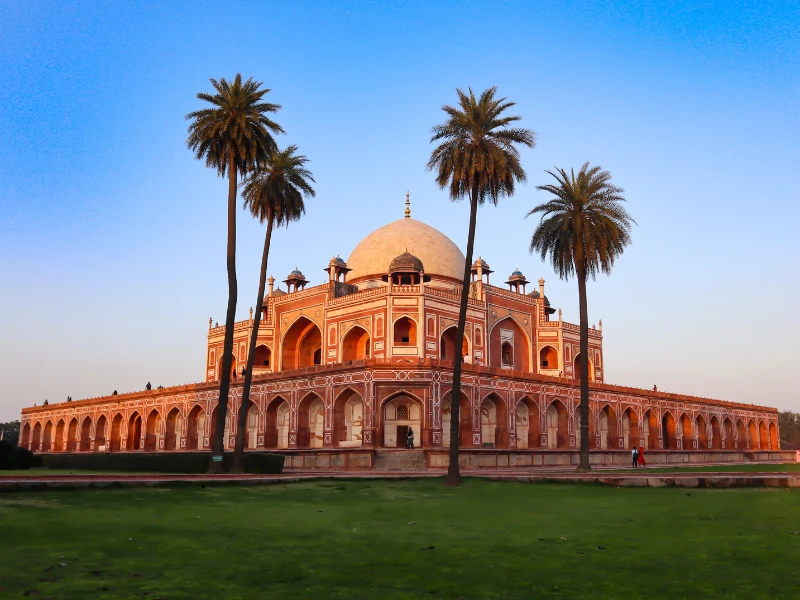
16:30: Humayun's Tomb: The last and finest monument of the tour is the tomb of the Mughal Emperor Humayun, built in the 15th century by his wife and recognised by UNESCO. After seeing this tomb, Shah Jahan was inspired to build the Taj Mahal.
17:30: Return to the hotel
This tour includes:
This tour does not include:
Contact Us