A Journey through Bhutan and Tours in Nepal is an unforgettable adventure. Larger than life, the high snow-capped peaks of the Himalaya offer landscapes of extraordinary beauty across dzongs, monasteries and lush green valleys strewn with prayer flags. In these deeply Buddhist places you will meet an extremely welcoming people, happy to live to the rhythm of a traditional culture with firmly rooted customs. Welcome to the kingdom of "Gross National Happiness"!
Tours in Nepal
DAY 1: Flight to Paro
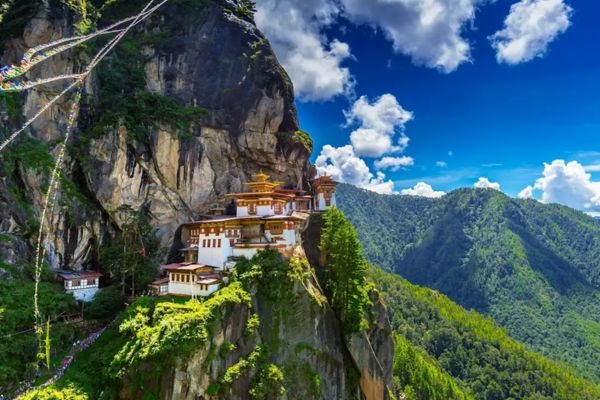
The flight to Paro is one of the most spectacular in the Himalaya. Flying along the Himalayan range, you will enjoy fascinating views and a thrilling descent as the aircraft slaloms between peaks over 5,000 metres before plunging into the Paro valley at 2,500 metres. The first gift that Bhutan gives you as you step off the plane is the fresh, pure mountain air.
You will be welcomed by our guide. Drive to Thimphu, the capital of Bhutan, with a stop at Chuzom, at the confluence of the Thimphu and Paro rivers, which is adorned with three styles of stupa — Tibetan, Nepalese and Bhutanese. Check in at the hotel and enjoy a free evening to get acquainted with the city of Happiness.
DAY 2: Thimphu
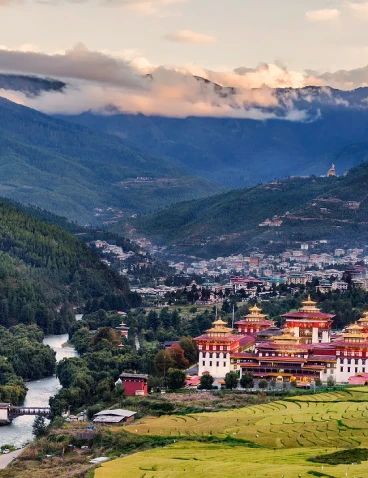
Breakfast. Set off to visit the Thimphu valley and the Textile and Folk Heritage Museum, a fascinating testimony to Bhutan's material culture and living traditions. Continue with a visit to the King's Memorial Chorten. Built in 1974, it is the most visible religious monument and an important place of worship, where the faithful circle the stupa murmuring mantras and turning their prayer wheels. This monument was conceived by His Majesty Jigme Dorji Wangchuk ("the father of modern Bhutan"), who wished to erect a monument to world peace and prosperity. Further on, visit the imposing Trashi Chhoe Dzong, the "fortress of the glorious religion", which also houses the king's offices. It was rebuilt in the 1960s in the traditional Bhutanese manner, without nails or architectural plans.
Drive to Buddha Point to see the largest Buddha statue, where the view over the city of Thimphu from the hilltop is extraordinary. Free time in the evening to stroll through the Emporium Handicrafts and the local craft bazaar and discover traditional Bhutanese works of art such as weaving, embroidery, thangka paintings, masks, ceramics, slate and wood carvings, and jewellery. Overnight at the hotel.
DAY 3: Thimphu - Gangtey (150 km, about 5h30 drive)
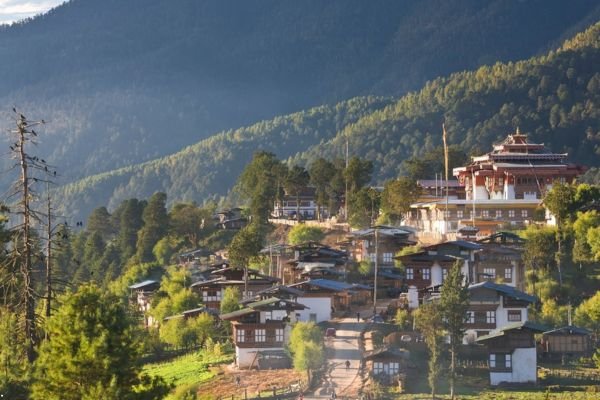
Lunch. Drive to Gangtey via the Dochu La pass (3,080 m) and the Phobjikha valley, passing through forests of oak and rhododendron. On a clear day, the peaks of the Himalaya are clearly visible and striking.
The road follows the picturesque Dang Chhu before climbing through forests of bamboo and oak. Arrival and check-in at the hotel. Stroll through the valley and visit the very old Gangtey monastery.
DAY 4: Gangtey
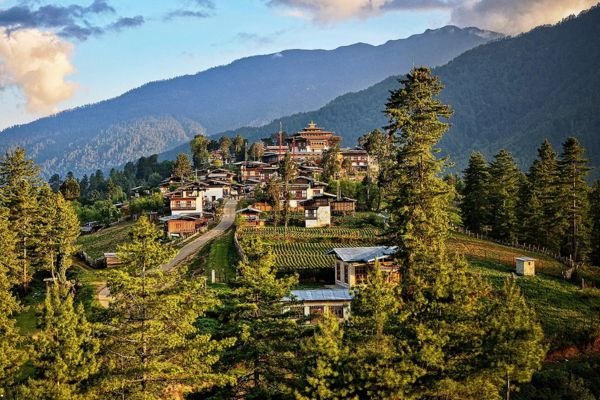
Today you will enjoy the hike along the Gangtey Nature Trail. The Gangtey valley is one of the most beautiful places in Bhutan. A few kilometres beyond the Gangtey monastery, on the valley floor, lies the village of Phobjikha.
In winter, this spot becomes the refuge of the black-necked crane, which migrates from the arid plains of Tibet to spend the winter in a milder climate. Phobjikha lies on the edge of Black Mountain National Park. Free evening and overnight at the hotel.
DAY 5: Gangtey – Punakha (70 km, 3-4 hrs drive)
Lunch. On the way, a short walk leads to the Fertility Temple, or Chimi Lhakhang. The trail to the temple takes about 30 minutes and crosses the farmland of the village of Lobesa. As you walk, you will have the chance to see the farmers at work. Chimi means "No Dog". The 15th-century Buddhist master Drukpa Kinley (the Divine Madman) reached this spot while chasing the demon of Dochola, which had taken the form of a dog. It was here, on this dramatic hill, that the madman caught the demon, killed it, buried it and built a black stupa as a symbol over evil.
He left a piece of ivory shaped like a phallus and declared: "Later, on this hill that resembles the breast of a young woman, a temple will be built, and this piece will represent me blessing men and women." Indeed, a master known as Ngawang Chogyal, a cousin of Druk Kuenlay himself, built a temple on this hill near the black stupa.
To this day, the temple houses a monastic school, and the ivory piece is used to bless those who come seeking blessings for fertility, prosperity, long life and protection. The temple is known as the Fertility Temple. Evening stroll through the town of Punakha. Overnight at the hotel.
DAY 6: Punakha
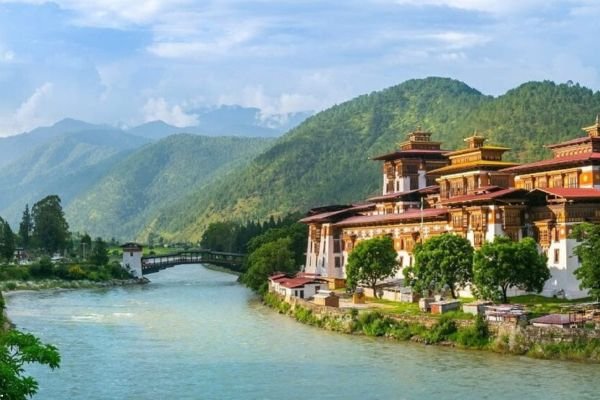
Visit the impressive Punakha Dzong, a massive structure built at the junction of two rivers, which still serves as the monks' winter residence. Later in the day, an excursion to Khamsum Yulley Namgyal Chorten. This beautiful hike leads to the majestic Khamsum Yuelley Namgel Chorten, built to remove negative forces and promote peace, stability and harmony in a changing world.
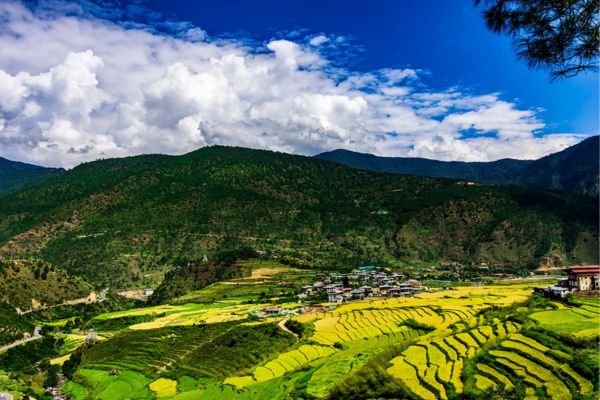
The Chorten overlooks the upper Punakha valley with a breathtaking view over the Mo Chhu and the peaks of Gasa. Return to the hotel for lunch. In the afternoon, visit the villages of Talo and Nobgang. Walk along the winding, hilly roads up to the village of Talo, known for its beauty and cleanliness with its vegetable and flower gardens. Overnight at the hotel.
DAY 7: Punakha – Haa Valley (about 6 hrs drive)
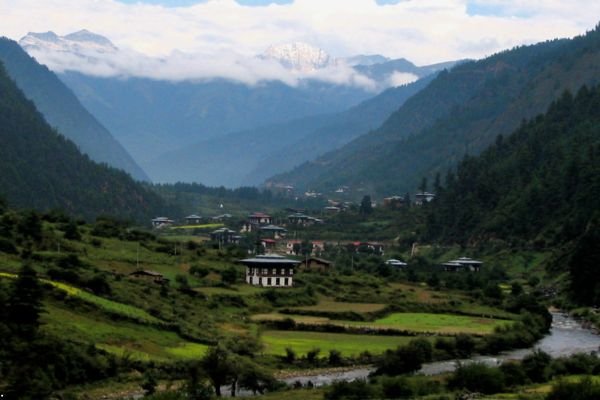
Drive to Haa via the Dochu La pass. We will make short stops to freshen up. The Haa valley is one of the least populated regions. Very few tourists go there. On arrival in Haa, check in at the hotel / lodge and enjoy a free evening.
DAY 8: Haa Valley – Hike
After breakfast, visit Lhakhang Karpo (the White Temple), established in the 7th century. According to legend, a black-and-white pigeon was released to select the site for the temples, and the white pigeon landed on the foothills of the three imposing mountains revered as "Rigsum Gonpo", where this temple stands today. Then visit Lhakhang Nagpo (the Black Temple), built in the 7th century and located north of Lhakhang Karpo. It serves as the seat of the guardian deity "Da Do Chen". These two temples are the sentinels watching over the southern entrance to the Haa valley.
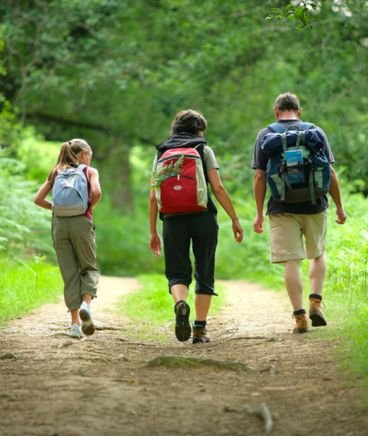
Next, a hike walking through the village of Lechuna to the Haa Chhu river before crossing a picturesque wooden bridge. From there, the walk up to Jamte Gompa is a gradual climb of about 1.5 hours through the forest to the village. Visit the monastery, more than 300 years old, which is being renovated due to earthquake damage. Continue by meeting a local farmer for a cup of tea and "zau".
Magnificent views over the southern Haa valley open up before us. We will take an animal track to reach the main trail and continue to the Chumpa bridge for a picnic by the river. After lunch, we will walk through the beautiful village of Chuma to spend time with the villagers. Return to the lodge.
DAY 9: Haa Valley – Paro (about 3 hrs drive)
After breakfast, transfer to Paro. The Paro valley abounds in rich culture and picturesque landscapes. It is home to many temples and monasteries. Mount Chomolhari (7,314 m) reigns at the northern end of the valley, and its glacial waters plunge into deep gorges to form the Pa Chhu (Paro river). Here you will find the most fertile valleys of the Kingdom, with red rice grown in the terraced paddy fields. On arrival, check in at the hotel and have lunch.
In the afternoon, visit Ta Dzong. This watchtower was built to defend Rinpung Dzong during the inter-valley wars of the 17th century. Ta Dzong was inaugurated as the National Museum of Bhutan in 1968. Today it houses a fascinating collection of art, relics, religious thangka paintings and exquisite Bhutanese stamps. Continue the visit with Rinpung Dzong, passing over a traditional covered bridge called Nemi Zam. A walk along an inlaid stone path offers a breathtaking view of the Dzong's architecture. Overnight at the hotel.
DAY 10: Paro
Walking excursion to Taktshang monastery. This monastery is the icon of Bhutan. It is one of the most famous monasteries in the country, perched on the side of a cliff 900 m above the floor of the Paro valley. It is said that Guru Rinpoche arrived here on the back of a tigress and meditated in this monastery, hence its name "Tiger's Nest". This site was recognized as a sacred place and visited by Shabdrung Ngawang Namgyal in 1646, and is now visited by all Bhutanese at least once in their lifetime. On 19 April 1998, a fire severely damaged the main structure of the building, but this Bhutanese jewel has now been restored to its original splendour.
Along the way, visit Kyichu Lhakhang, one of the oldest and most sacred shrines in the Kingdom, dating back to the 7th century. The Dalai Lama's master resided here for many years and passed away here. His ashes rest beside a huge statue of Guru Rinpoche. This Lhakhang complex is made up of two temples. The first was built in the 7th century, and in 1968 the Queen Mother of Bhutan built the second in the same original design. Arrival in Paro, exploration of this charming town and free time. Overnight at the hotel.
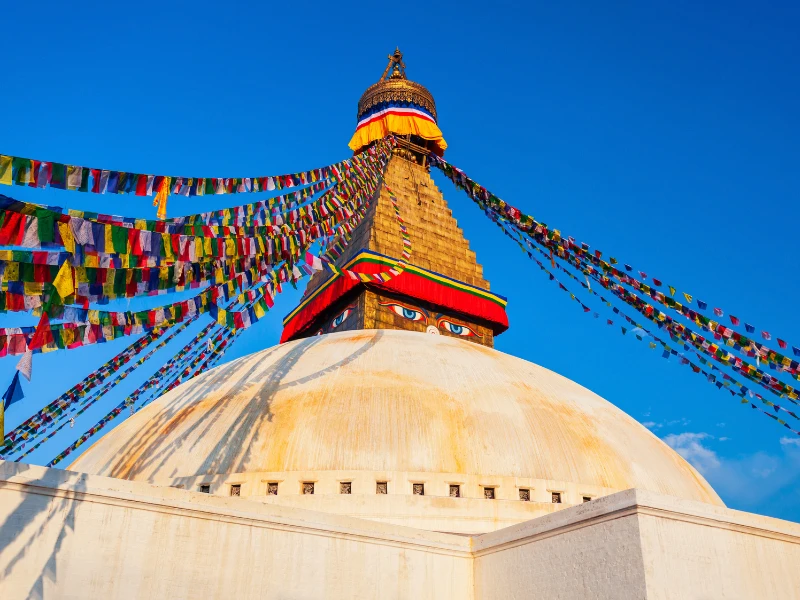
DAY 11: Flight Paro – Kathmandu
Fly to Nepal. Arrival at Tribhuvan International Airport and transfer to the hotel.
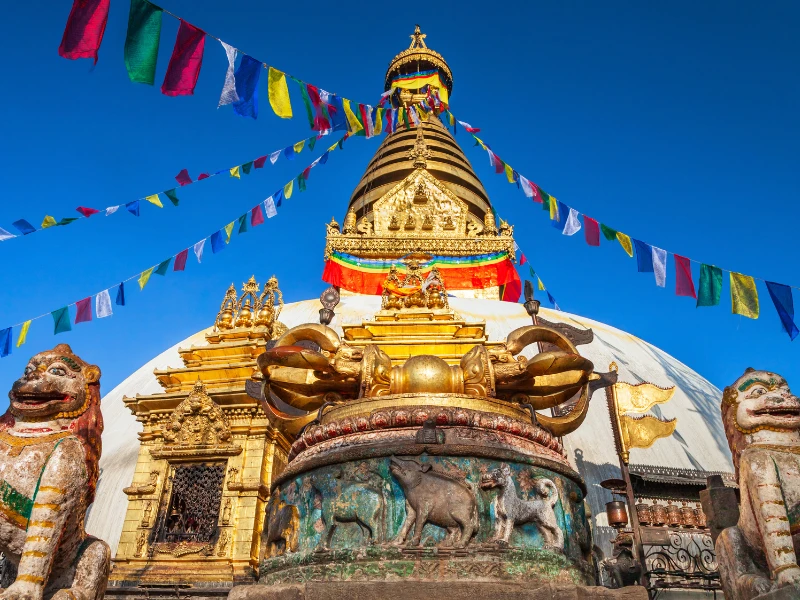
DAY 12: Kathmandu
Early in the morning, a flight over the mountains with views of stunning landscapes. Return to the hotel for breakfast, followed by a full-day tour of the Kathmandu valley: Kathmandu Durbar Square / Pashupatinath / Buddha Stupa / Monkey Temple.
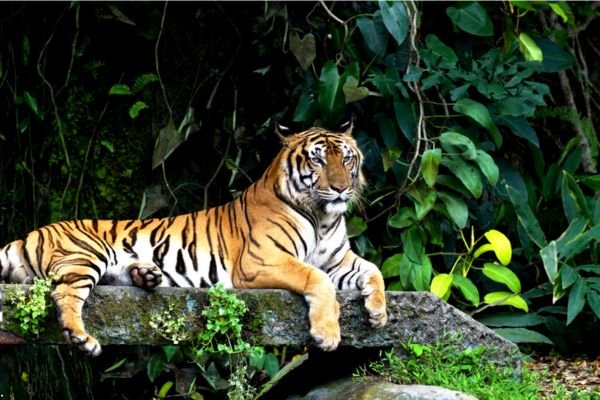
DAY 13: Kathmandu - Bandipur
Bandipur is a small village perched in the heart of the Nepalese mountains that has beautifully preserved its Newari culture. Its winding lanes are lined with traditional houses. The town was an important stop on the India–Tibet trade route until it was bypassed by the Prithvi Highway, a road built in the 1960s.
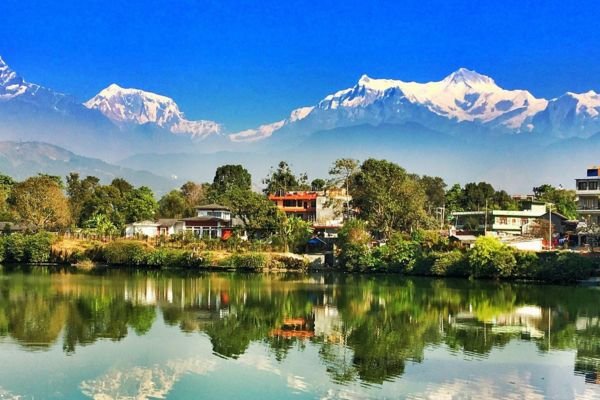
DAY 14: Bandipur – Pokhara (80 km / about 2 hrs drive)
Visit Bandipur's sights, such as: Thani Mai Temple, Siddha Gufa, Tundikhel, Bindebasini Temple, Khadga Devi Temple and the village of Ramkot. Drive towards Pokhara. Arrival, check-in, dinner and overnight at the hotel.
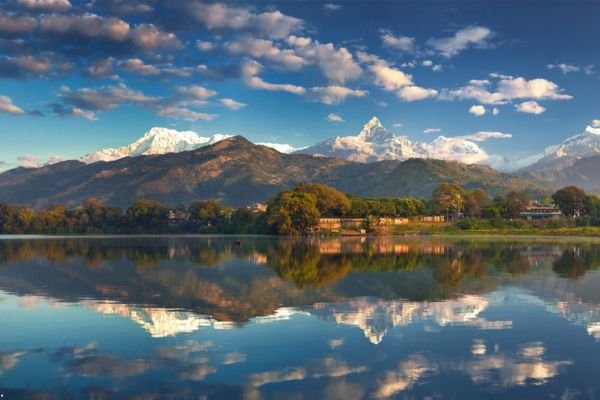
DAY 15: Pokhara
This morning, wake at dawn to watch the sunrise. When the weather is clear, the view over the Annapurnas is magnificent. After breakfast, visit the Bindabasani temple and three caves. Pokhara is a town set on Phewa Lake, where we will take a boat ride and, weather permitting, go to Begnas Lake. Overnight in Pokhara.
DAY 16: Pokhara – Lumbini (170 km / about 6 hrs drive)
After breakfast, drive to Lumbini, the birthplace of Buddha. Arrival and check-in at the hotel.
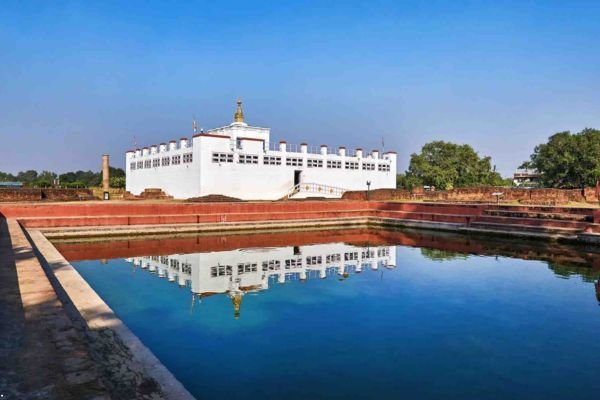
DAY 17: Lumbini
After breakfast, visit the Mayadevi Temple, the most famous and important temple dedicated to the birthplace of Siddhartha Gautama, founder of Buddhism. This temple is a UNESCO World Heritage Site.
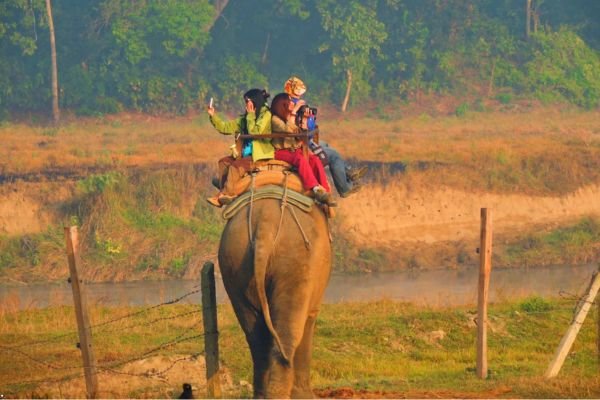
DAYS 18-19: Lumbini – Chitwan (85 km)
After breakfast, drive to Chitwan. Arrival and check-in at the hotel. Over these two days we will visit Chitwan National Park. We will venture into the jungle to see rhino, deer and, why not, the Bengal tiger! We will experience the thrill of an elephant-back safari.
We will visit the Tharu village and soak up rich moments spent with the local people of this region. To round off the day, we will watch the sunset. Superb!
DAY 20: Chitwan – Kathmandu (175 km / about 5 hrs)
Early breakfast and drive to Kathmandu. Arrival and check-in at the hotel. Free time.
DAY 21: Kathmandu
After breakfast, visit Patan Durbar Square and Bhaktapur Durbar Square. End of services and transfer to the airport for departure.
Price: On request PER PERSON
Contact Us
This package includes:
- Accommodation in 3-4 star hotels
- All meals
- All transfers and sightseeing as per the itinerary
- An English-speaking national escort guide throughout the tour
- The services of an English-speaking escort guide in Bhutan and Nepal
- Government fees and taxes - Entrance fees
- Bhutan visa fees
- Paro - Kathmandu flight
- Everest mountain flight in Nepal
This package does not include:
BHUTAN VISA –
In order to process the Bhutan visa, we need a clear, legible colour copy of the passport (the page containing the passport number and photo, in JPEG or PDF format) at least 30 days before the date of entry into Bhutan. The remaining validity of the passport must be at least 6 months from the date of entry into Bhutan (excluding the month of travel).